Learn to read Arabic script.
Not the language — the script. The shapes, and the sounds they make. Five to ten minutes a day.
Coming to the App Store
Not the language — the script. The shapes, and the sounds they make. Five to ten minutes a day.
Coming to the App Storethe problem
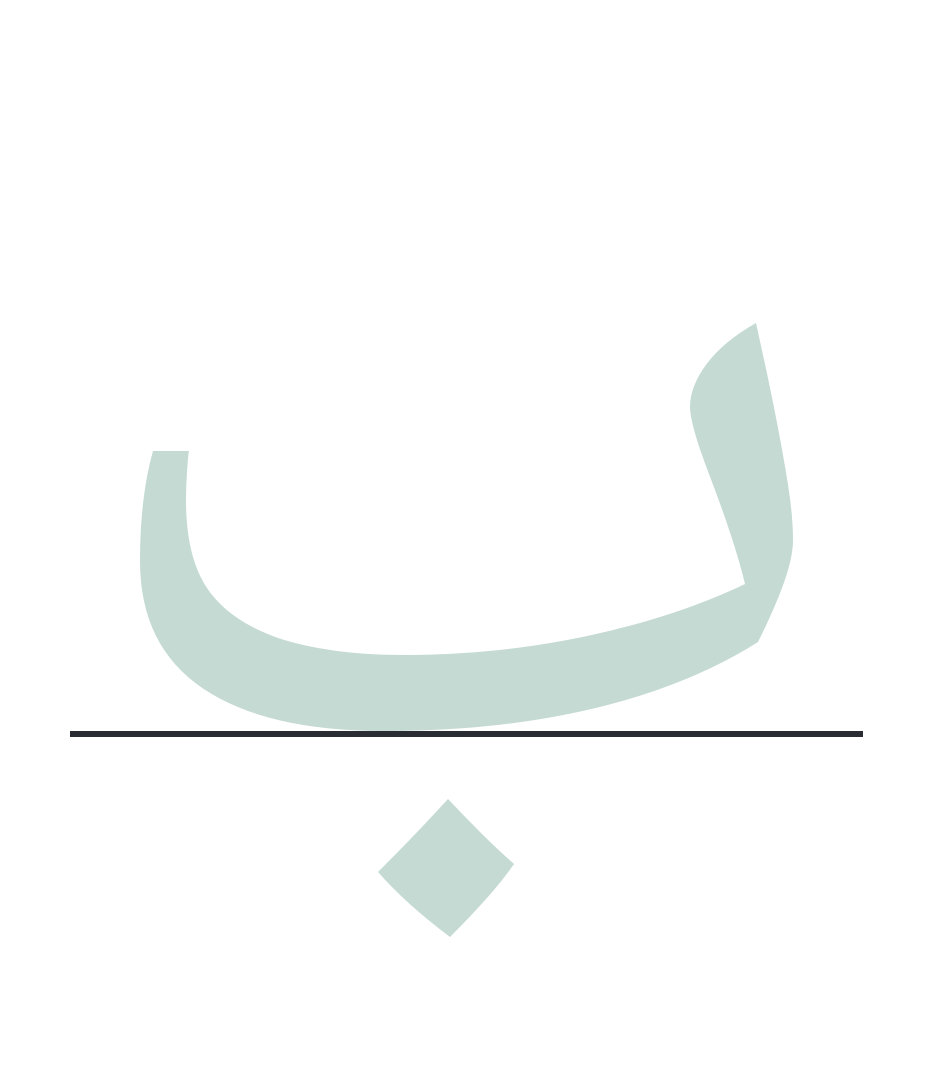
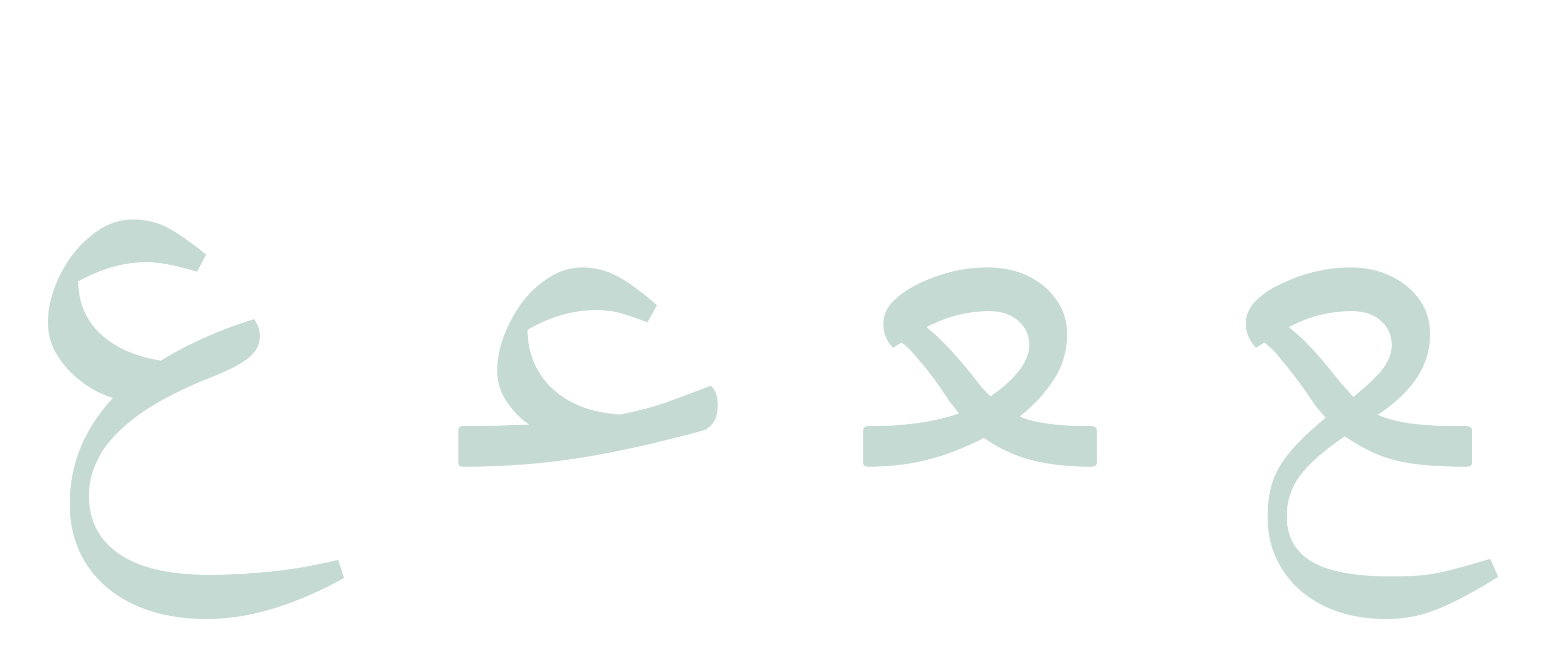
Arabic letters change shape depending on where they sit in a word. The chart shows you one form; running text shows you the other three. So you learn twenty-eight names and still cannot read a street sign.
Rasm trains the pair that actually matters — this letter, in this position — across all 34 letters and their 115 forms.
what makes it hard
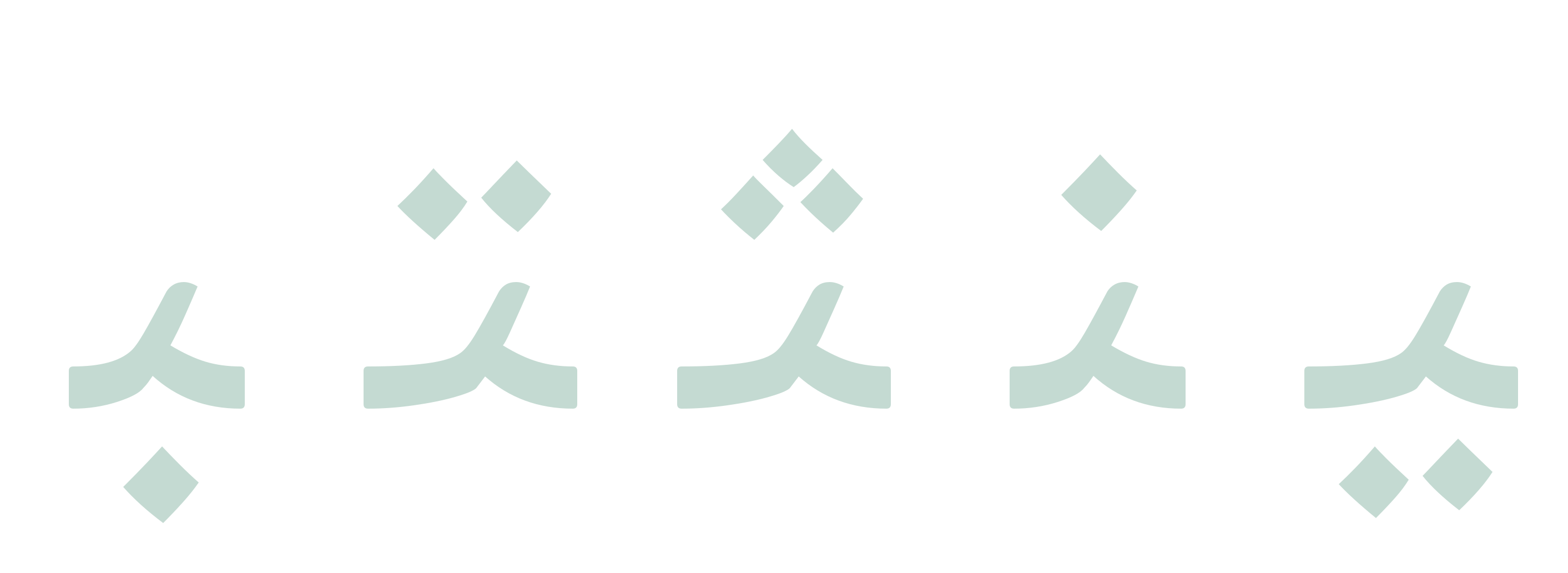
Five different letters share this skeleton in the middle of a word. Nothing but the dots tells them apart, and nobody teaches you to look at the dots on purpose.
what happens when you get one wrong
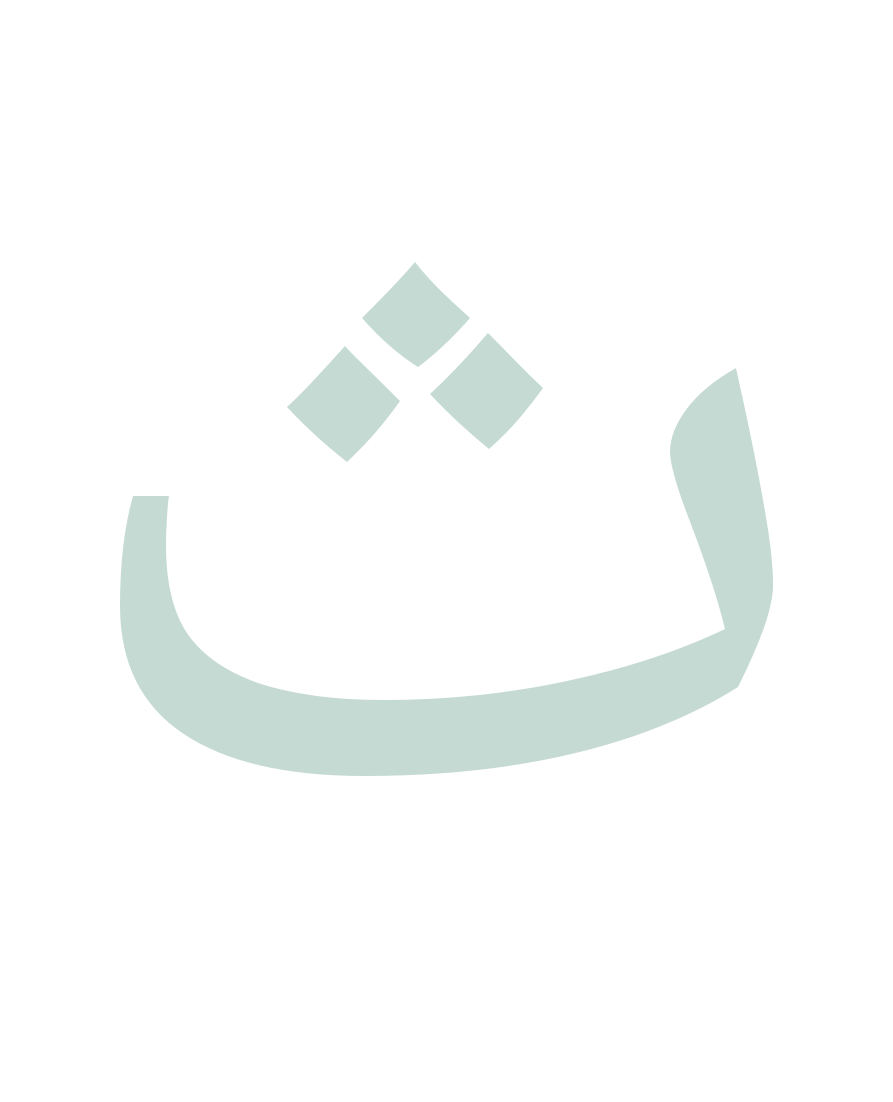
Get a letter wrong and the dots you read lift off, the bare skeleton holds still for half a second, and the right dots come down. No red, no buzz, no sound — the half-second of bare skeleton is the whole point.
 what you read
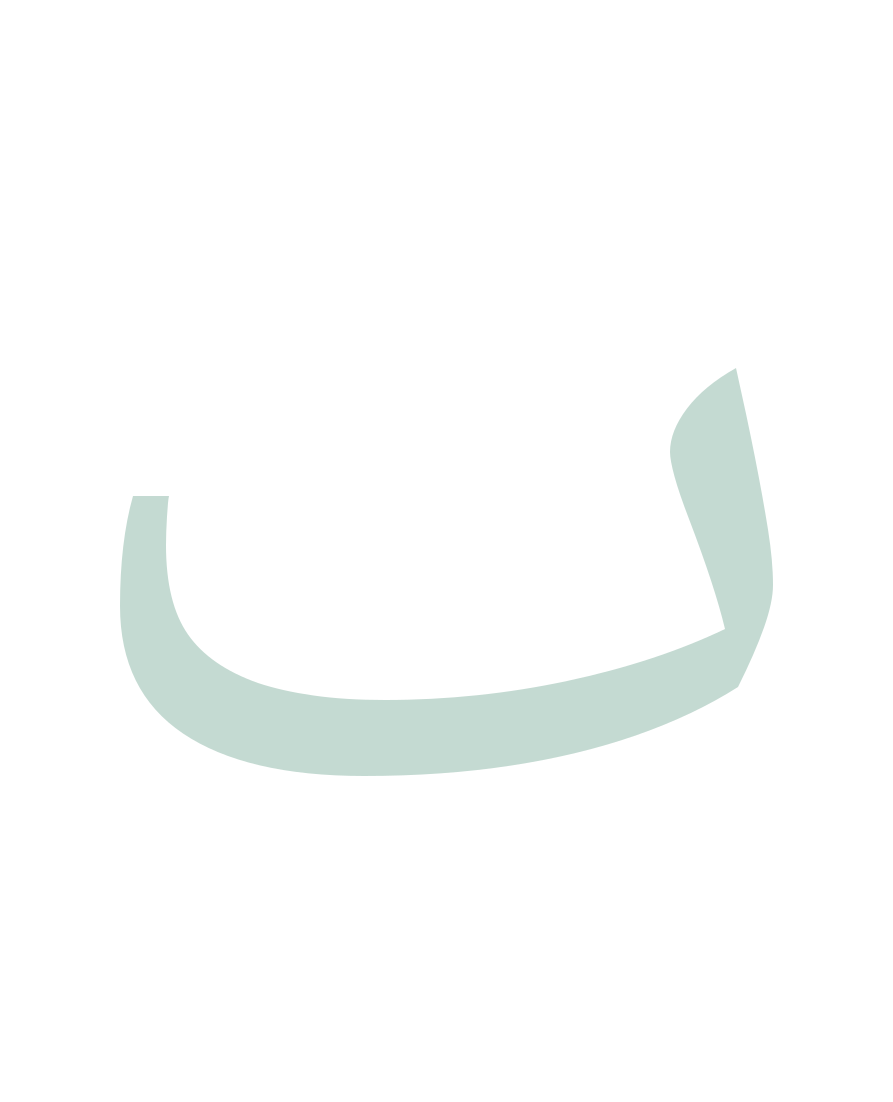 what it really is
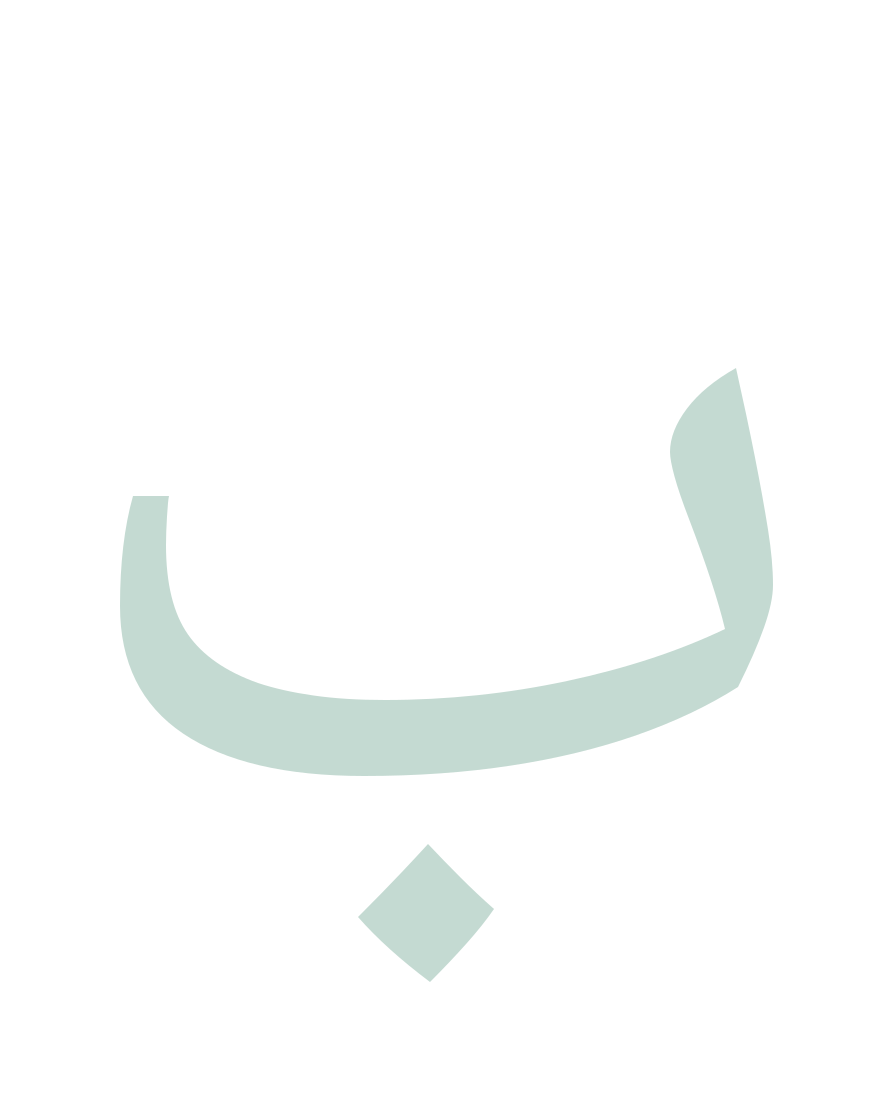 what it was
It only does this when the two letters genuinely share a skeleton. Any other mistake gets a plain answer — otherwise it would stop meaning “you misread the dots”.
the part nobody prepares you for
Beginner material is written with harakat. Books, signs and messages are not. Most people learn to read the training wheels and stall the first time they meet the real thing.
Rasm fades them away shape by shape, on a schedule, until you are reading what is actually printed.
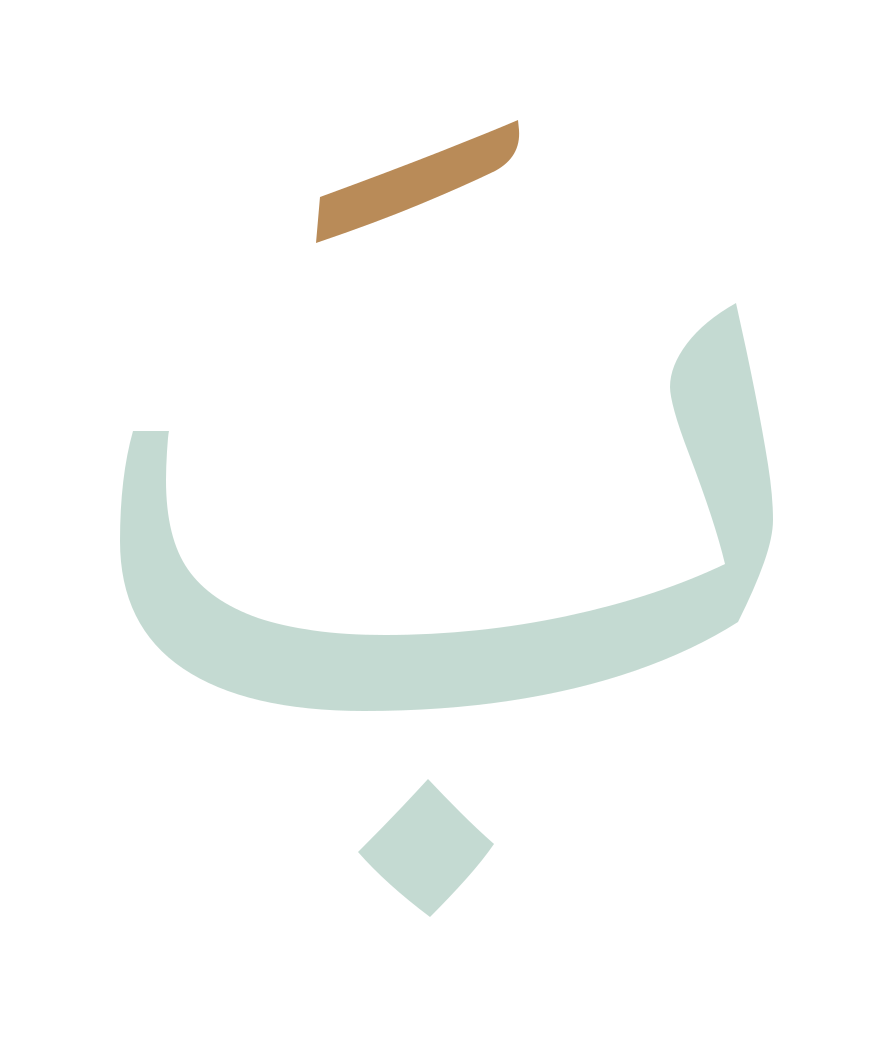 at first
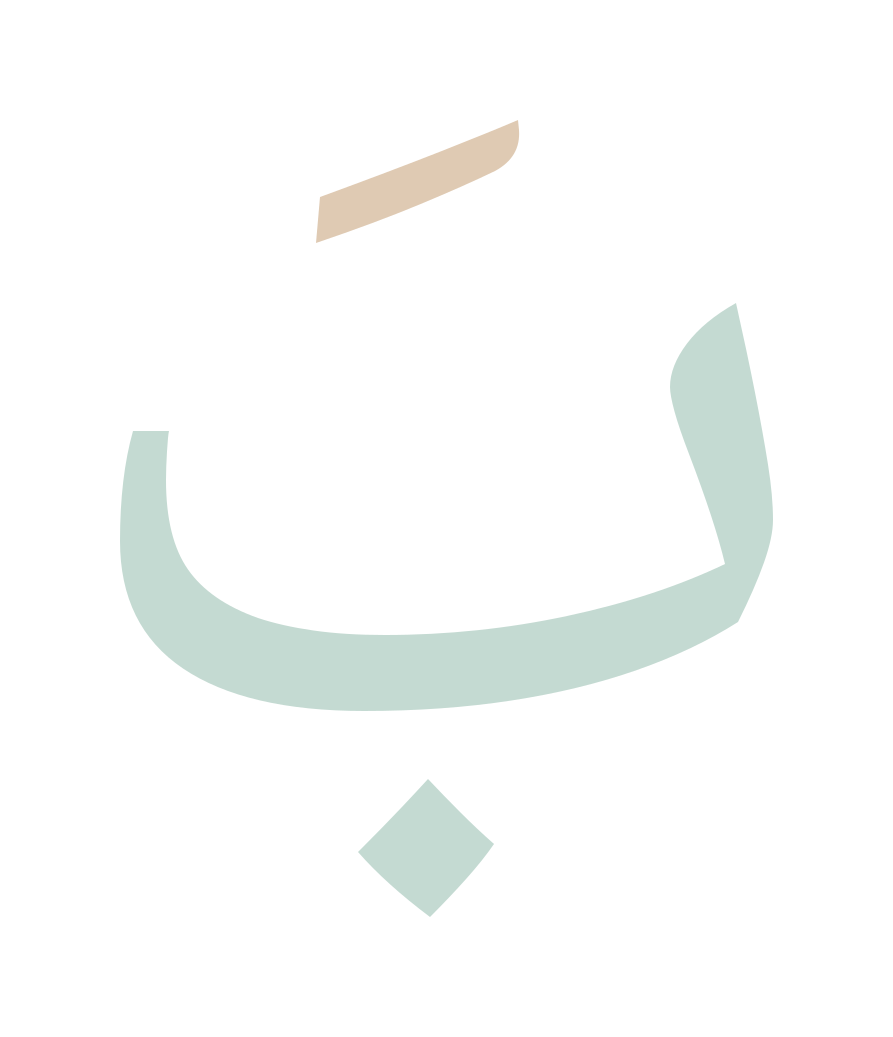 later
later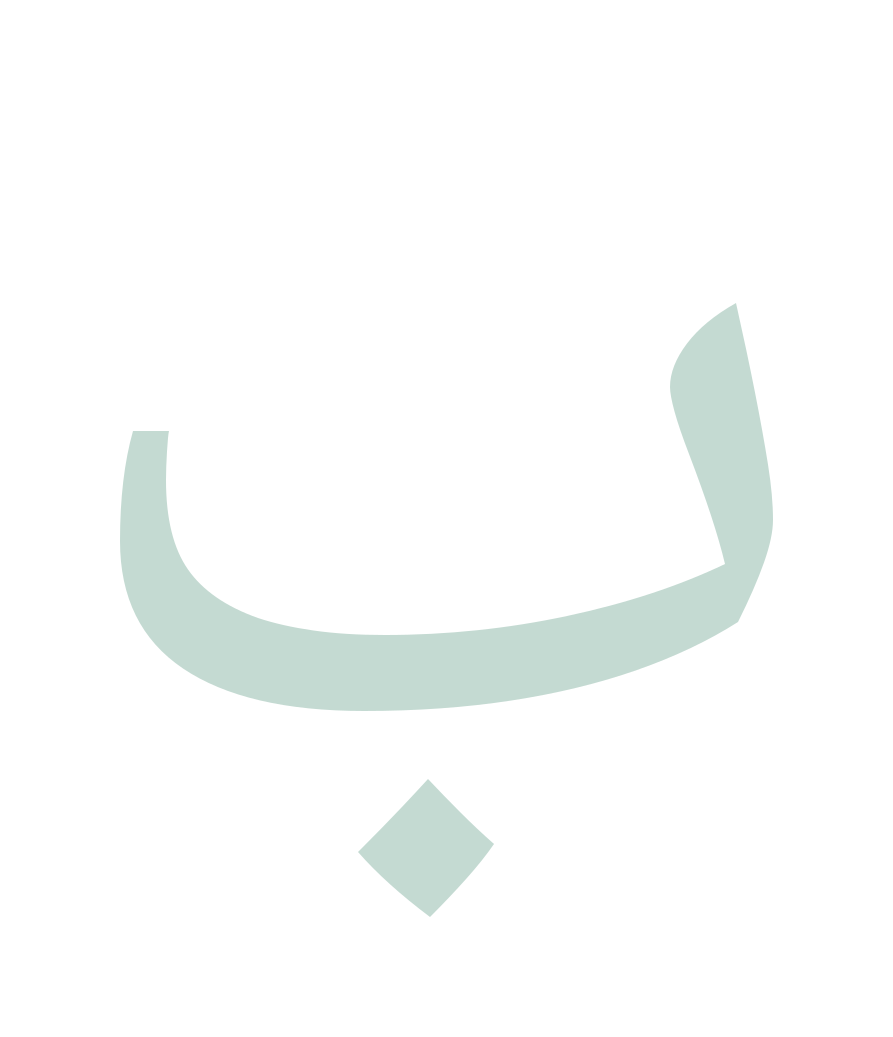 real text
how it decides what to show you
A proven spaced-repetition algorithm schedules every shape from your own answers — whether you got it right, and how long you took. It never asks you to rate yourself, because people are poor judges of what they have just remembered.
The session length never changes. Learning faster means finishing the alphabet sooner, not sitting there longer.
what it costs, and what it takes
Arabic script should not be behind a paywall. That is the reason, and it is not a launch promotion. The details are here.
Coming to the App Store